
A state-sponsored grant program has sparked new age-friendly efforts across the Garden State, helping this decade-long movement in New Jersey take root this year in big cities, suburban counties and rural hamlets, a new report details.
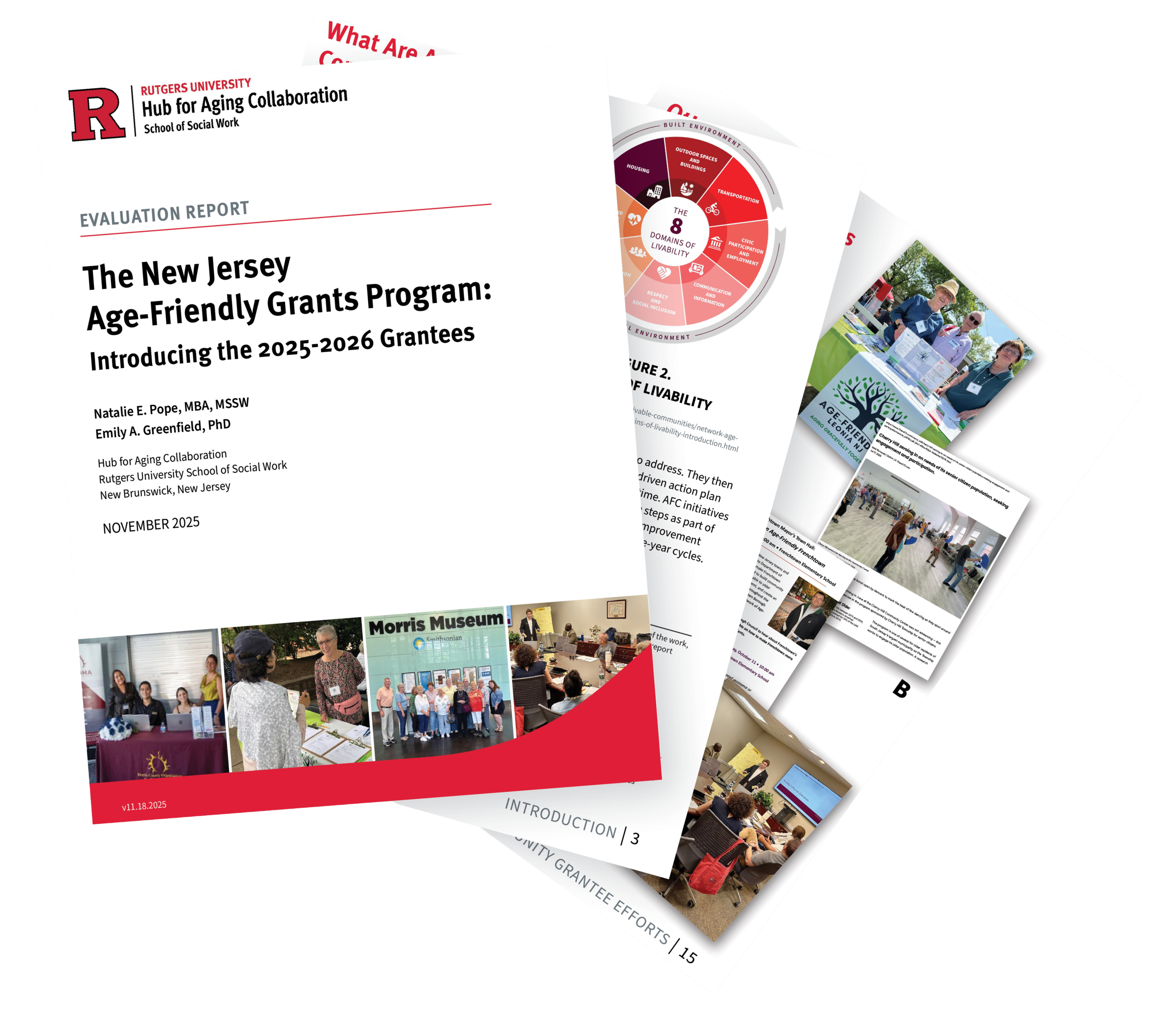
The report from the Rutgers Hub for Aging Collaboration outlines the proposals and initial activities of the 38 municipalities and organizations that were awarded funds from the New Jersey Age-Friendly Grants Program of the Department of Human Services.
That grant program – the first of its kind in New Jersey – is supporting 28 local age-friendly community initiatives as well as 10 regional or statewide projects aimed at advancing the goals in the New Jersey Age-Friendly Blueprint, a document that recommends strategies for population aging in the Garden State.
The newly funded local initiatives are in municipalities and counties sprinkled across North, Central and South Jersey. This growth will dramatically expand the geographic reach of the state’s age-friendly movement, which previously had primarily been mostly centered in the northern part of the state.
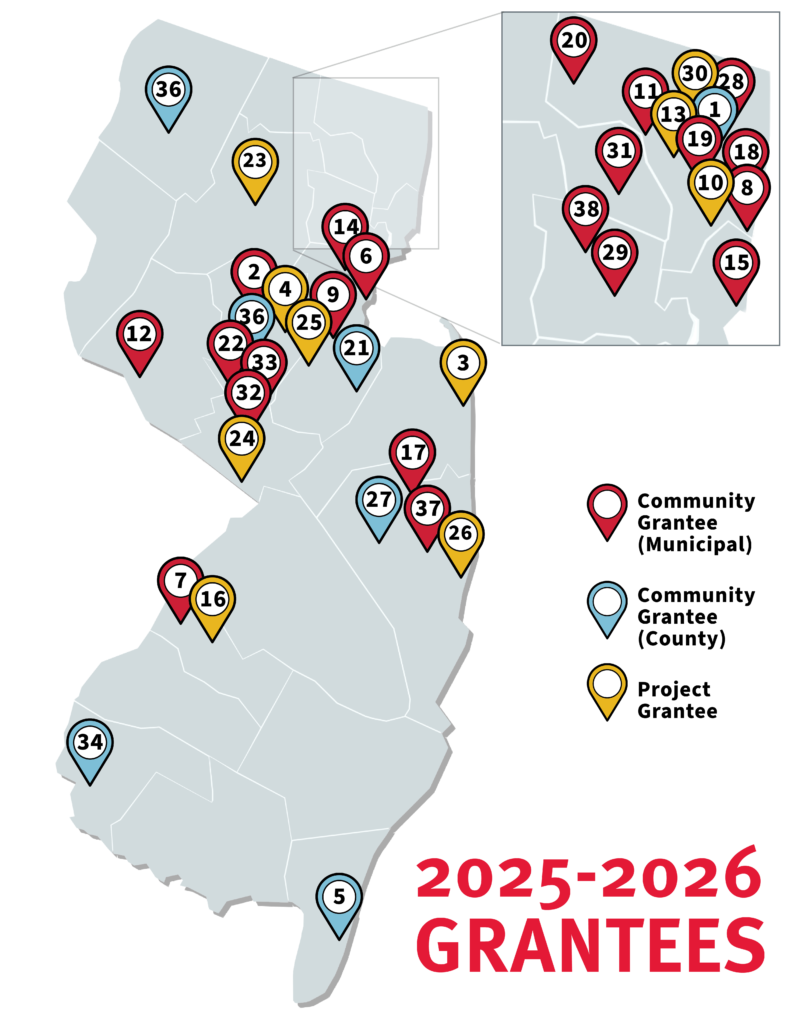
Age-friendly work is being funded in 17 of New Jersey’s 21 counties, encompassing large cities like Jersey City, Paterson, and Edison as well as communities as small as Frenchtown (population 1,609) in Hunterdon County and Rocky Hill (population 814) in Somerset County.
The state program offered two types of grants – age-friendly community grants, which went to towns and counties looking to launch the initial steps of forming an age-friendly community initiative. Those steps include forming new community or regional partnerships, enrolling in the AARP Network of Age-Friendly States and Communities, conducting community needs assessments and creating action plans.
The other type of grant offered is called a project grant. The public sector and nonprofit grantees selected to receive this funding committed to implementing one or more of the 59 recommendations of the state’s Blueprint, which were grouped into six categories or domains – housing, health, transportation, socialization, employment and communication and outreach. While each of the 10 project grantees is focusing on one of those domain areas, the Rutgers report details how “a project’s work in one domain can bring about benefits in other domains.”
The report examines not only the demographics of the towns and counties where this work is centered but also the organizational capacities of the municipalities, county governments and nonprofit organizations leading these grant-funded efforts, highlighting the strengths being leveraged to launch age-friendly action in their communities.
Grantees were surveyed on their initial plans and activities as well as on plans for using these one-time grants to foster sustainable programs and projects.
In addition to the evaluation of the grant-making program by the Rutgers Hub, grantees are also being offered technical assistance from the Rutgers University Bloustein School of Planning and Public Policy.
This assistance will include training and support on effective strategies for communications and outreach, partnership building, program sustainability and other key facets of age-friendly work.
Continuing evaluation by the Rutgers Hub throughout the grant period will also ensure that the new age-friendly activities are not only chronicled but also viewed in context of the state’s overall goal of catalyzing the age-friendly movement in New Jersey.
“Examining and reporting on the progress of each of these local and regional efforts can serve to help amplify the work that each is doing,” said Dr. Emily Greenfield, professor of social work and founding director of the Hub for Aging Collaboration. “It can also expand awareness and understanding of the value of age-friendly community work.”
“Ideally, this could spur action from other leaders across the state who have not yet begun to address the priorities and possibilities of population aging in their own localities, as well as continued state policy support on age-friendly progress in New Jersey,” Greenfield added.
Click here to view the full report.