
In a car-centric state like New Jersey, residents can live most of their lives without using or even learning about the transit systems serving their communities.
Then, if a day comes when an illness, a disability or advanced age forces them to limit or give up driving, their worlds can shrink quickly.
For nearly 20 years, the New Jersey Travel Independence Program – NJTIP @ Rutgers has sought to prevent such an isolating fate by increasing residents’ familiarity and comfort with traveling by trains, buses and paratransit systems.
Incorporating some of its previous strategies and employing some new ones, NJTIP – a part of the Alan M Voorhees Transportation Center at Rutgers University – led an age-friendly project focused on educating local older adults as -well as the professionals they rely on for information and guidance – about driving alternatives in Passaic County.
The project, called TIP Passaic STEP, which stands for “Senior Transportation and Engagement Program,” targeted older residents in Paterson and Wayne, two vastly different communities with very different transportation patterns and options. Paterson, the densely developed county seat with about 159,000 residents, is a minority majority city of 8.7 square miles where about 24% of residents age 65 or older live below the poverty line. In contrast, nearby Wayne Township is an affluent large-lot suburban community home to nearly 55,000 residents living in a land area of about 24 square miles.
The project offered group travel instruction to about 125 residents in both towns, while also gathering critical insights from older residents about their travel patterns, needs, and mobility challenges they experience living in Wayne and Paterson – valuable data that could help inform age-friendly planning locally as well as throughout the entire state of New Jersey.
Since its founding in 2007, NJTIP has provided travel instruction to more than 15,000 individuals, often partnering with local government leaders, age-friendly community leaders and advocates for people with disabilities.
“All of our transit orientation training programs are customized to the community and region where they are offered,” said Andrea Lubin, managing director of NJTIP @ Rutgers. “It’s important because every community offers different transportation options, especially when it comes to paratransit programs, which are operated separately by each of New Jersey’s 21 counties.”
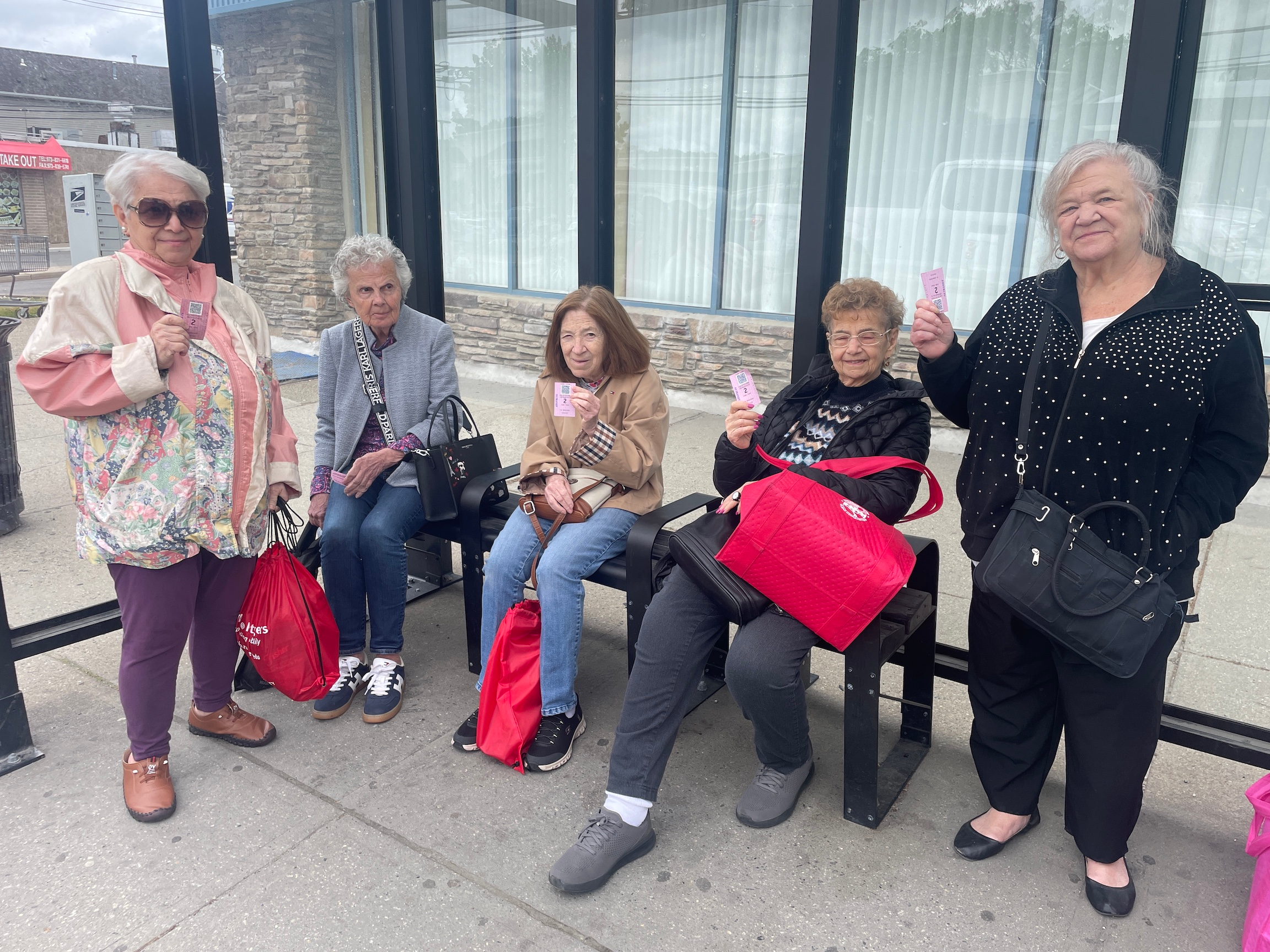
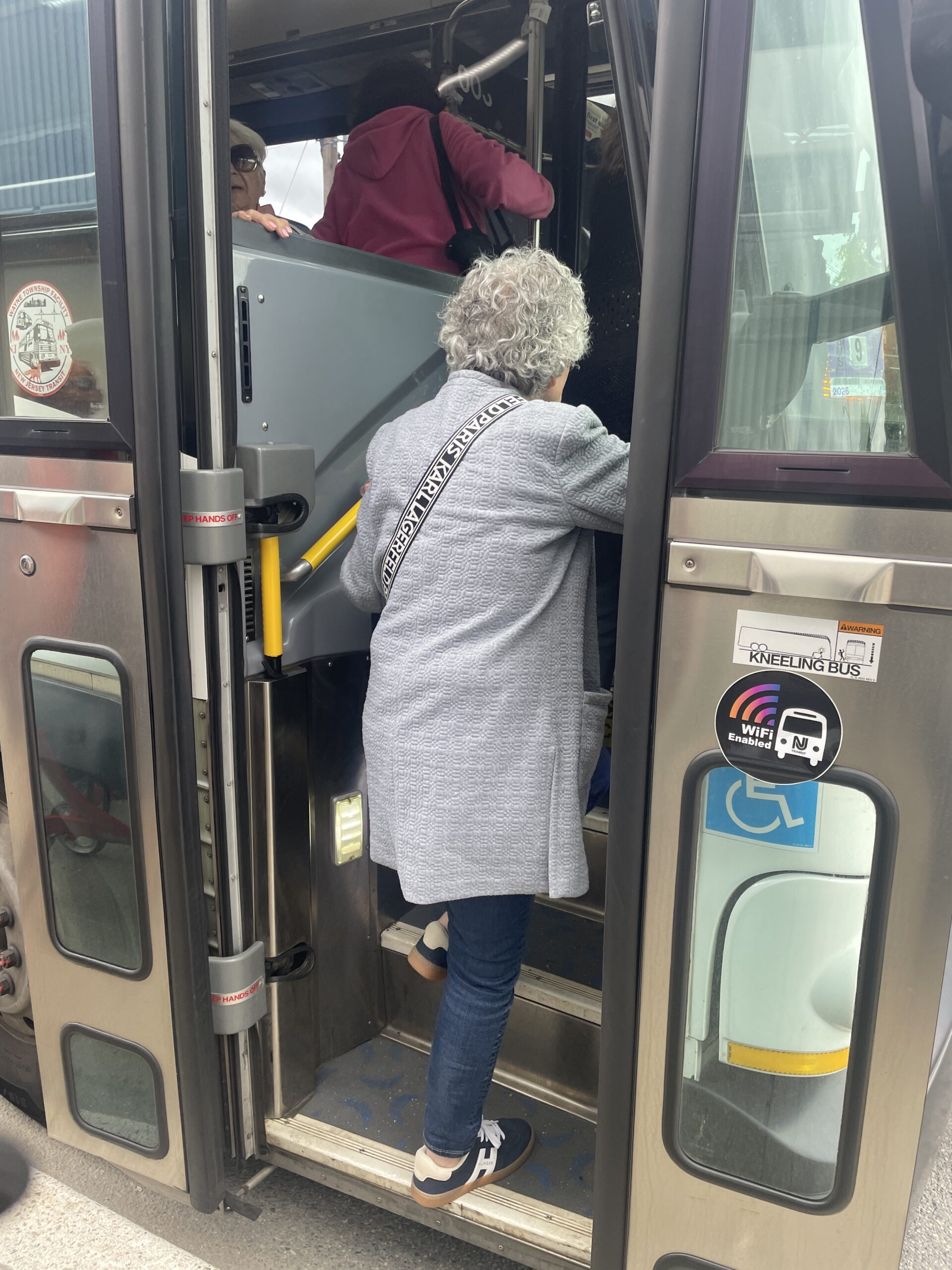
In the case of Paterson and Wayne, NJTIP first created a Project Advisory Committee comprised of local officials and stakeholders from both communities who could provide anecdotal data about mobility needs and service gaps. Four “Transit 101” classroom sessions were held in different locations in each town as well as a “field trip” – a train and/or bus trip to a local destination selected by older adult participants. NJTIP also recruited an older adult resident from each community to serve as a Transportation Ambassador beyond the grant period. These ambassadors will act as ongoing liaisons between NJTIP and the Paterson and Wayne communities, helping to identify future training needs and connect older adults with NJTIP services.
On the benefits of NJTIP training, senior travel instructor Linda Rapacki explained, “Learning to navigate public transportation is one of the most rewarding skills you can acquire as an older adult. It’s not just about getting from point A to point B; it’s about discovering a new kind of confidence and a lasting sense of self-reliance.”
Another component of NJTIP’s training for TIP Passaic STEP was the development and implementation of two “Connect to Transit” workshops for municipal staff, county representatives, professionals working with older residents, and older adult service organizations.
“We thought that was a missing piece,” Lubin said. “The folks and trusted community resources that older adults go to for information also need to be informed and familiar with the accessible transportation options available for the people they serve.”
NJTIP staff noted many shared challenges between the two communities, including that older residents and local officials were often unaware of available mobility services and discounts and that transit travel across county lines or at off-peak times was difficult. Residents in both communities also cited missing and broken sidewalks as an impediment to reaching bus and train stops, and many expressed a desire for transit providers to offer a concierge phone line and printed schedules and brochures rather than only digital communications.
Not surprisingly, there were markedly different travel attitudes and behavior patterns among residents.
“Many older adults we met with in Wayne were still actively driving, and they had no plans to stop doing so in the near future,” Lubin said. “While in Paterson, we engaged with more people who reported using a mix of transportation modes, as well as more residents without access to a motor vehicle.”
NJTIP intends to share what it has learned with municipal and county leaders as well as those leading age-friendly efforts in both towns. Wayne has had an active age-friendly initiative called Wayne for All Ages led by the Township since 2020, while a new age-friendly effort is budding in Paterson, led by CUMAC, a food assistance organization that was selected in 2025 for the New Jersey Age-Friendly Grants Programs.
“NJTIP’s Passaic STEP initiative has played an important role in helping older adults in Paterson and Wayne become more familiar and comfortable with the accessible public and community transportation options available to meet their diverse travel needs,” Lubin said.
“The exciting news is that we intend to keep serving these two communities by leveraging other grant funding,” she added. “Our goal is to also communicate the information gathered at the listening sessions we held during this project with the right folks at the municipal and county level so that what’s been learned can help shape future transportation decision-making and age-friendly planning.”